Introduction
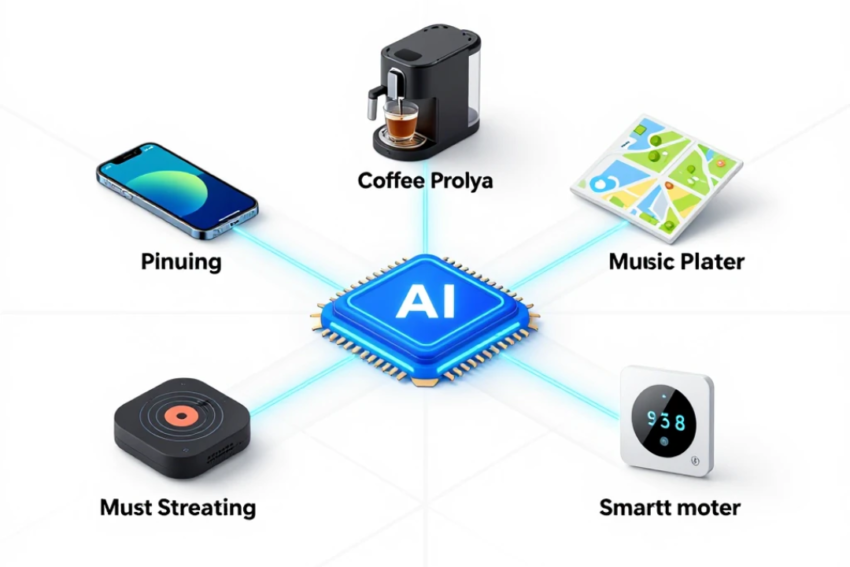
Artificial Intelligence (AI) has rapidly become an essential part of our daily lives. Whether you’re unlocking your smartphone with facial recognition, asking a virtual assistant for the weather, shopping online, or watching recommended videos, AI algorithms are working behind the scenes. While many people use AI-powered technologies every day, few understand how these intelligent systems actually function.
AI algorithms are designed to process data, recognize patterns, make decisions, and improve over time. Unlike traditional computer programs that follow fixed instructions, AI systems learn from data and adapt to new situations. This ability has made AI one of the most powerful technologies in the modern world.
In this beginner-friendly guide, you’ll learn how AI algorithms work in everyday life, the different types of AI systems, real-world examples, benefits, challenges, and what the future holds for artificial intelligence.
What Is an AI Algorithm?
An AI algorithm is a set of mathematical rules and computational instructions that allows a computer to perform tasks that normally require human intelligence. These tasks include learning from data, recognizing speech, identifying images, understanding language, making recommendations, and solving problems.
The key difference between traditional software and AI is that AI algorithms improve with experience. By analyzing large amounts of data, they identify patterns and make increasingly accurate predictions.
For example, a music streaming service learns your listening habits and recommends songs based on your preferences. The more you use the service, the better its recommendations become.
How AI Algorithms Work
AI algorithms generally follow a step-by-step process.
1. Data Collection
Everything starts with data. AI systems collect information from various sources, including:
- User searches
- Photos and videos
- Text documents
- Audio recordings
- GPS locations
- Online purchases
- Social media interactions
- Sensor data
The more relevant and high-quality the data, the better the AI can learn.
2. Data Preparation
Raw data often contains errors, duplicate records, or missing information. Before training begins, the data is cleaned, organized, labeled, and formatted to improve accuracy.
This step is essential because poor-quality data can lead to unreliable AI predictions.
3. Training the AI Model
During training, the AI algorithm analyzes thousands or even millions of examples to discover relationships and patterns.
For example, to recognize cats in photos, the system studies countless labeled images of cats and non-cats. Over time, it learns the visual characteristics that distinguish a cat from other objects.
4. Testing
After training, the AI model is tested using new data it has never seen before. This helps measure its accuracy and identify areas for improvement.
5. Making Predictions
Once trained, the AI begins making predictions or decisions based on new information.
Examples include:
- Recommending products
- Detecting spam emails
- Translating languages
- Recognizing faces
- Predicting traffic conditions
Everyday Examples of AI Algorithms
AI is integrated into many everyday technologies.
Smartphones
Modern smartphones use AI for:
- Face recognition
- Voice assistants
- Camera enhancements
- Battery optimization
- Predictive text
- Spam call detection
These features make devices smarter and more user-friendly.
Search Engines
When you search online, AI algorithms help by:
- Understanding your query
- Ranking search results
- Correcting spelling mistakes
- Suggesting related searches
- Personalizing results
This allows users to find relevant information quickly.
Online Shopping
E-commerce websites rely on AI to improve customer experiences.
AI algorithms analyze:
- Purchase history
- Browsing behavior
- Product ratings
- Shopping preferences
Based on this information, they recommend products you are likely to buy.
Video Streaming
Streaming platforms use AI algorithms to recommend movies, TV shows, and videos based on your viewing history.
These systems analyze:
- Watch time
- Viewing habits
- Favorite genres
- Ratings
- Search history
This creates a personalized entertainment experience.
Music Streaming
Music services recommend songs and playlists based on:
- Listening history
- Favorite artists
- Genres
- Skipped tracks
- Recently played songs
The more you listen, the more accurate the recommendations become.
Navigation Apps
Navigation applications use AI to:
- Predict traffic
- Suggest faster routes
- Estimate arrival times
- Detect road closures
- Recommend alternate paths
This saves time and reduces travel delays.
Virtual Assistants
AI-powered assistants can:
- Answer questions
- Set reminders
- Play music
- Control smart devices
- Send messages
- Schedule appointments
Natural language processing allows them to understand spoken commands and respond naturally.
Email Services
AI algorithms automatically:
- Filter spam
- Organize inboxes
- Detect phishing attempts
- Suggest replies
- Correct grammar
These features improve productivity and security.
Banking
Financial institutions use AI for:
- Fraud detection
- Credit scoring
- Customer support
- Investment analysis
- Risk management
AI can identify unusual transaction patterns in seconds, helping prevent financial fraud.
Healthcare
Hospitals and clinics use AI to:
- Analyze medical images
- Detect diseases
- Predict patient risks
- Assist doctors
- Recommend treatments
AI helps improve diagnosis speed and healthcare outcomes.
Types of AI Algorithms Used Daily
Several AI techniques power everyday applications.
Machine Learning
Machine learning allows computers to improve automatically by learning from data instead of following fixed rules.
Applications include:
- Recommendation systems
- Fraud detection
- Predictive analytics
Deep Learning
Deep learning uses artificial neural networks to solve complex problems.
It powers:
- Image recognition
- Speech recognition
- Language translation
- Self-driving technology
Natural Language Processing (NLP)
NLP enables computers to understand and generate human language.
Examples include:
- Chatbots
- Voice assistants
- Language translation
- Grammar correction
- Text summarization
Computer Vision
Computer vision allows AI systems to interpret images and videos.
Applications include:
- Facial recognition
- Medical imaging
- Security surveillance
- Autonomous vehicles
Benefits of AI Algorithms in Daily Life
AI improves daily living in many ways.
Saves Time
AI automates repetitive tasks, allowing people to focus on more important work.
Improves Accuracy
AI reduces human error in data analysis, diagnosis, and decision-making.
Personalized Experiences
Recommendations for shopping, music, and entertainment become more relevant over time.
Better Customer Support
AI chatbots provide instant assistance around the clock.
Enhanced Security
AI detects fraud, malware, spam, and cyber threats more effectively than traditional systems.
Challenges of AI Algorithms
Despite their advantages, AI algorithms also face challenges.
Privacy Concerns
Many AI systems require large amounts of personal data, raising questions about data protection and user privacy.
Algorithm Bias
If training data contains bias, AI systems may produce unfair or inaccurate outcomes.
Job Automation
Some routine jobs are increasingly being automated, creating concerns about workforce changes.
High Development Costs
Building advanced AI systems often requires significant investments in computing power, data, and skilled professionals.
Future of AI in Everyday Life
AI will continue expanding into nearly every aspect of daily life.
Future developments may include:
- Smarter homes
- Personalized education
- Advanced healthcare diagnostics
- Autonomous transportation
- AI-powered robots
- Improved cybersecurity
- More natural virtual assistants
- Sustainable energy management
As technology advances, AI algorithms are expected to become faster, more accurate, and more accessible.
Tips for Using AI Responsibly
To get the most from AI technologies:
- Protect your personal information.
- Use strong passwords and enable security features.
- Verify important AI-generated information.
- Be aware of privacy settings.
- Continue learning about AI and digital literacy.
Responsible use helps ensure AI benefits both individuals and society.
Frequently Asked Questions (FAQs)
What is an AI algorithm?
An AI algorithm is a set of instructions that enables computers to learn from data, recognize patterns, and make intelligent decisions.
How do AI algorithms learn?
They learn by analyzing large datasets, identifying patterns, and improving predictions through training.
Where are AI algorithms used?
They are used in smartphones, banking, healthcare, online shopping, navigation apps, search engines, entertainment platforms, education, and many other industries.
Can AI replace humans?
AI can automate repetitive tasks, but human creativity, judgment, empathy, and ethical decision-making remain essential in many roles.
Is AI safe?
AI can be very useful when developed and used responsibly, with appropriate safeguards for privacy, fairness, and security.
Conclusion
AI algorithms are transforming everyday life by making technology smarter, faster, and more personalized. From the moment you unlock your smartphone to the recommendations you receive while shopping or streaming content, AI is quietly working in the background to improve convenience and efficiency.
Understanding how AI algorithms work helps you make better use of modern technology and prepares you for a future where artificial intelligence will play an even greater role. As AI continues to evolve, learning its fundamentals will become increasingly valuable for students, professionals, business owners, and anyone interested in the digital world.