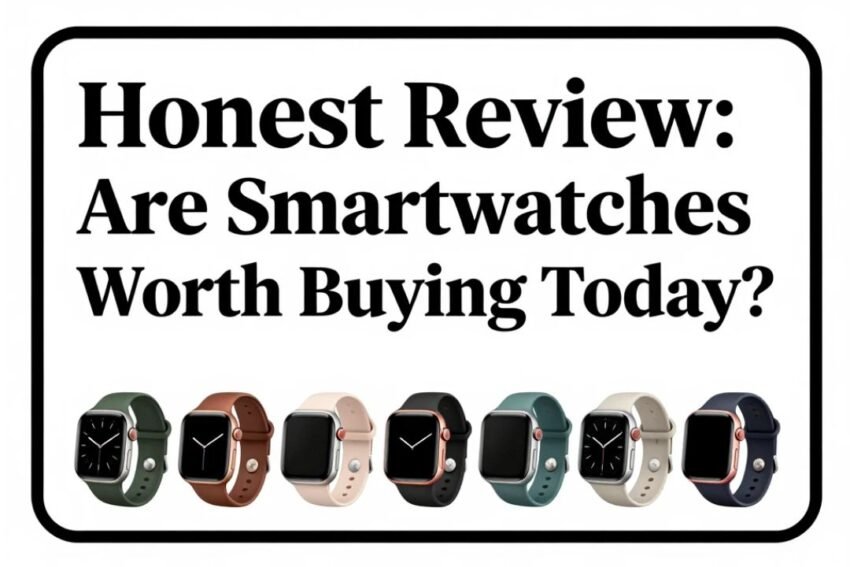
Smartwatches have evolved from simple step counters into powerful wearable devices that track health, manage notifications, and even replace some smartphone functions. Top models like theApple Watch Ultra 3 · $799.00 · 4.7
A premium rugged smartwatch with advanced health tracking and long battery life.
andGoogle Pixel Watch 4 · $349.99 · 4.6
An AI-powered smartwatch with strong health tracking and smart features.
now offer features once limited to medical and professional tools.
But despite all the innovation, they’re not for everyone.
👍 What Smartwatches Do Really Well
1. Health & Fitness Tracking (Biggest Advantage)
This is the #1 reason people buy smartwatches.
Modern devices can track:
- Heart rate
- Sleep quality
- Steps & calories
- Blood oxygen levels
- Stress levels
Some watches even detect irregular heart rhythms or sleep apnea.
👉 Reality check:
If you care about fitness or health monitoring, a smartwatch is absolutely worth it.
2. Convenience & Time-Saving
Smartwatches let you:
- Check notifications instantly
- Reply to messages
- Take calls
- Control music
- Use voice assistants
👉 You’ll use your phone less for small tasks—which adds up throughout the day.
3. AI & Smart Features (2026 Upgrade)
New watches like theSamsung Galaxy Watch 8 · $289.99 · 4.3
A feature-rich smartwatch with advanced sleep tracking and AI-powered health insights.
include AI-powered insights like:
- Personalized health recommendations
- Smart reminders
- Voice assistants
👉 AI is making smartwatches feel more like personal assistants on your wrist.
4. Fitness Motivation
Many users say smartwatches help them:
- Stay consistent with workouts
- Set and track goals
- Build healthier habits
👉 This psychological benefit alone can make them worth it.
👎 The Downsides (Honest Truth)
1. Battery Life Still Isn’t Perfect
Most smartwatches last:
- 1–3 days (premium models)
- Up to a week (fitness-focused watches)
👉 You’ll need to charge regularly—unlike traditional watches.
2. Expensive for What They Do
High-end models cost:
- $300–$800+
👉 That’s a lot for a device that depends on your phone.
3. Limited Without a Smartphone
Smartwatches are not fully independent devices.
- Many features require a phone
- Best experience comes within ecosystems (Apple, Samsung, Google)
👉 If you’re not already in an ecosystem, value drops.
4. Not Everyone Uses All Features
A common reality:
- Many people only use notifications + step tracking
From Reddit discussions:
“I typically go through about 25–30% battery in a workday… performance is fine but basic usage dominates.”
👉 If you won’t use advanced features, it may not be worth it.
📊 Smartwatch Comparison (Top Picks 2026)
| Feature | Apple Watch Ultra 3$799.00•Apple + others | Google Pixel Watch 4$349.99•Google Store + others | Samsung Galaxy Watch 8$289.99•Samsung + others | Samsung Galaxy Watch Ultra$649.99•Samsung + others |
|---|---|---|---|---|
| Best For | iPhone users | AI & Android users | Everyday Android use | Outdoor & rugged use |
| Battery Life | ⭐⭐⭐⭐ | ⭐⭐⭐⭐ | ⭐⭐⭐⭐ | ⭐⭐⭐⭐⭐ |
| Health Tracking | ⭐⭐⭐⭐⭐ | ⭐⭐⭐⭐⭐ | ⭐⭐⭐⭐ | ⭐⭐⭐⭐⭐ |
| AI Features | ⭐⭐⭐⭐ | ⭐⭐⭐⭐⭐ | ⭐⭐⭐⭐ | ⭐⭐⭐⭐ |
| Price Range | High | Mid–High | Mid | Premium |
| Overall Value | ⭐⭐⭐⭐ | ⭐⭐⭐⭐⭐ | ⭐⭐⭐⭐ | ⭐⭐⭐⭐ |
🧠 Who SHOULD Buy a Smartwatch?
Smartwatches are worth it if you:
✅ Care about fitness and health tracking
✅ Want quick access to notifications
✅ Like using AI tools and smart assistants
✅ Are already in Apple/Android ecosystem
✅ Want motivation to stay active
🚫 Who Should SKIP It?
You might NOT need a smartwatch if:
❌ You only need basic time-checking
❌ You don’t care about fitness tracking
❌ You hate charging devices frequently
❌ You prefer minimal tech distractions
⚖️ Final Verdict: Are Smartwatches Worth It?
👉 YES — for most people in 2026 (with conditions).
Smartwatches are worth buying if you:
- Use their health and smart features regularly
- Want convenience and productivity
👉 BUT…
They are NOT worth it if you’ll only use them as a basic watch.
🏁 Bottom Line
Smartwatches in 2026 are:
- Smarter (AI-powered)
- More useful (health + productivity)
- More integrated than ever
But the real value comes down to how you use them—not just what they can do.